Archaeology 2026.02.12 New study maps where wheat, barley and rye grew before the first farmers found them Using advanced machine-learning and climate models, researchers have shown that the ancestors of crops like wheat, barley, and rye probably were much less widespread in the Middle East 12,000 years ago than previously…
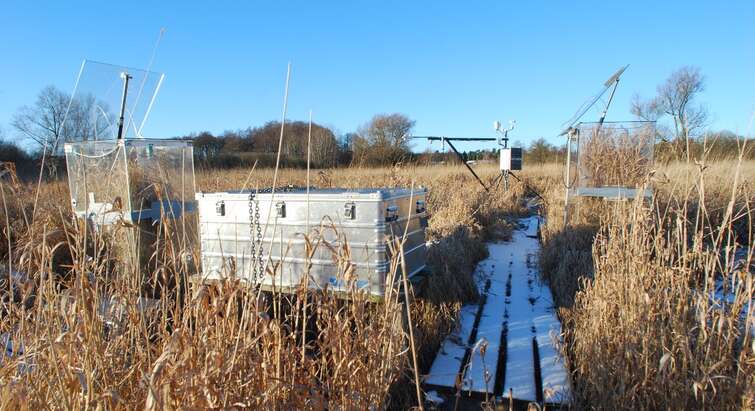
Wetlands 2026.01.29 Wetlands do not need to be flooded to provide the greatest climate benefit Contrary to expectations, wetlands do not need to be completely flooded to provide the greatest climate benefit. Instead, the water table should be below the soil surface and remain stable, according to a new study from…
biodiversity 2025.12.16 Your Christmas decorations may be hiding a tiny bit of badger and toad Researchers at the University of Copenhagen have discovered that moss acts as a natural trap for environmental DNA. This discovery opens the door to using moss as a simple, gentle and inexpensive method of monitoring…
AI and plants 2025.12.15 Researchers revive old pea varieties in huge seed collection: ‘An untapped gold mine for the future’ Using a new AI method, researchers from the University of Copenhagen have rediscovered 51 old pea varieties that are no longer used in agriculture but may prove promising for the production of plant-based foods. The…
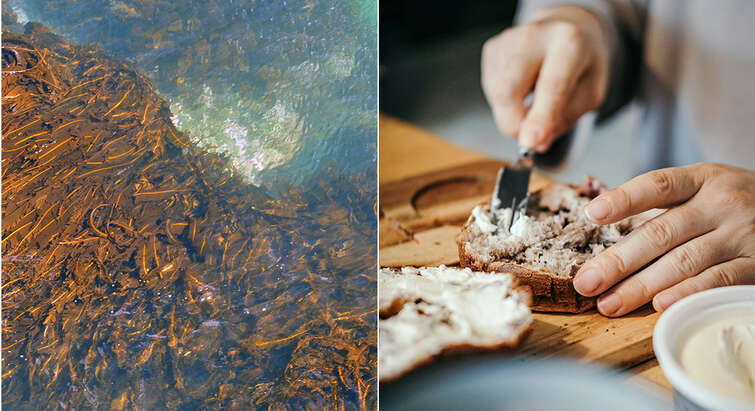
Food 2025.12.05 Fermentation makes ocean greens more palatable Seaweed has long been praised as a sustainable superfood, but its characteristic 'fishy' flavor has been a barrier for many Western consumers. Now, a new study from the University of Copenhagen shows that fermentation…
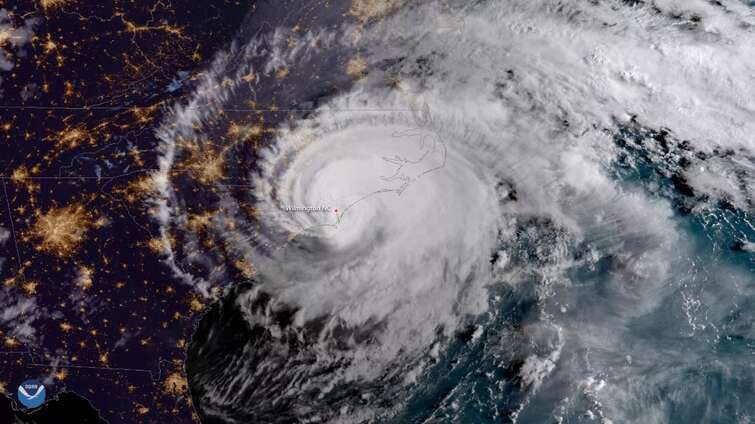
Climate 2025.11.26 Over half of global coastal settlements are retreating inland due to intensifying climate risks A new study using satellite nightlight data reveals that more than half of the world’s coastal settlements have retreated inland over the past 30 years in response to intensifying climate hazards. The study coauthored b…
Activism 2025.11.21 The Paradox of Climate Protest Disruptive protest actions are among the tools often used by climate activists. New research from the University of Copenhagen shows that these types of actions have the intended effect: they raise public awareness of…
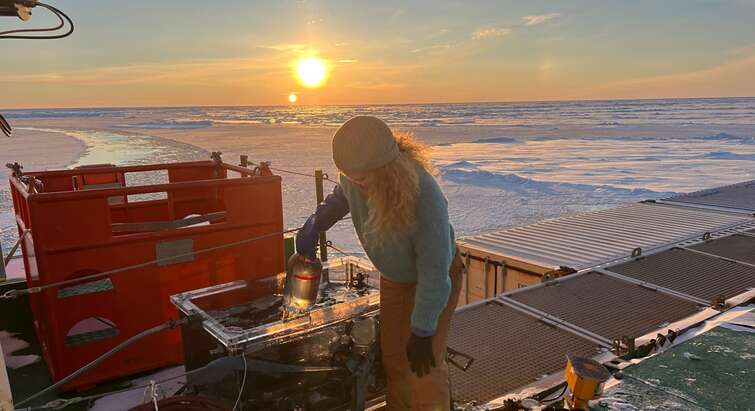
THE ARCTIC 2025.10.20 Important phenomenon discovered in the Arctic – could boost marine life Researchers from the University of Copenhagen have discovered an important phenomenon beneath the Arctic sea ice that was previously thought impossible. This phenomenon could have implications for the food chain and the…
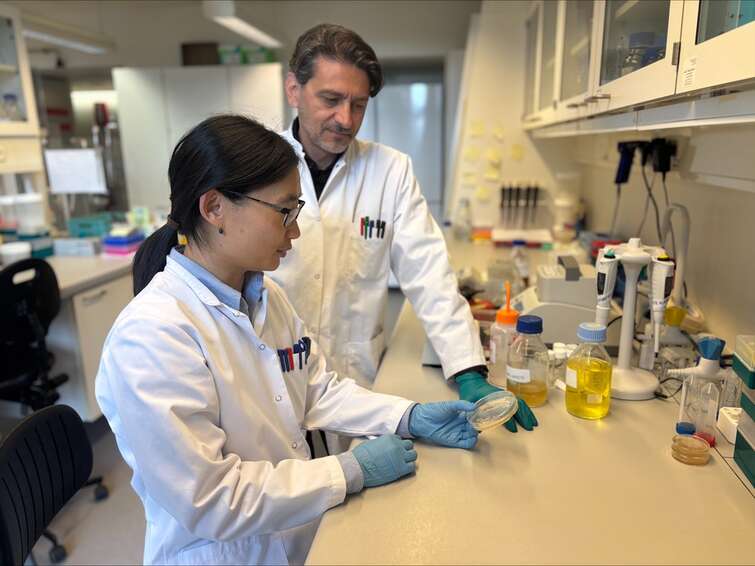
FOOD 2025.10.06 Researchers revive yoghurt made from... ants An old traditional recipe for yoghurt made from ants has been recreated by researchers at the University of Copenhagen. In a new study, they show how ants and the bacteria that live on them can transform milk into…
climate policy 2025.10.02 Experts: Climate policy must be tailored to each individual country Researchers have asked over 400 international experts which climate policies work best. There is no single solution that everyone agrees on – except for border carbon adjustment on trade between countries, which a…
Carbon Capture 2025.09.05 Scientists transform plastic waste into efficient CO2 capture materials From waste to valuable resource: Chemists at the University of Copenhagen have developed a method to convert plastic waste into a climate solution for efficient and sustainable CO2 capture. This is killing two birds wit…
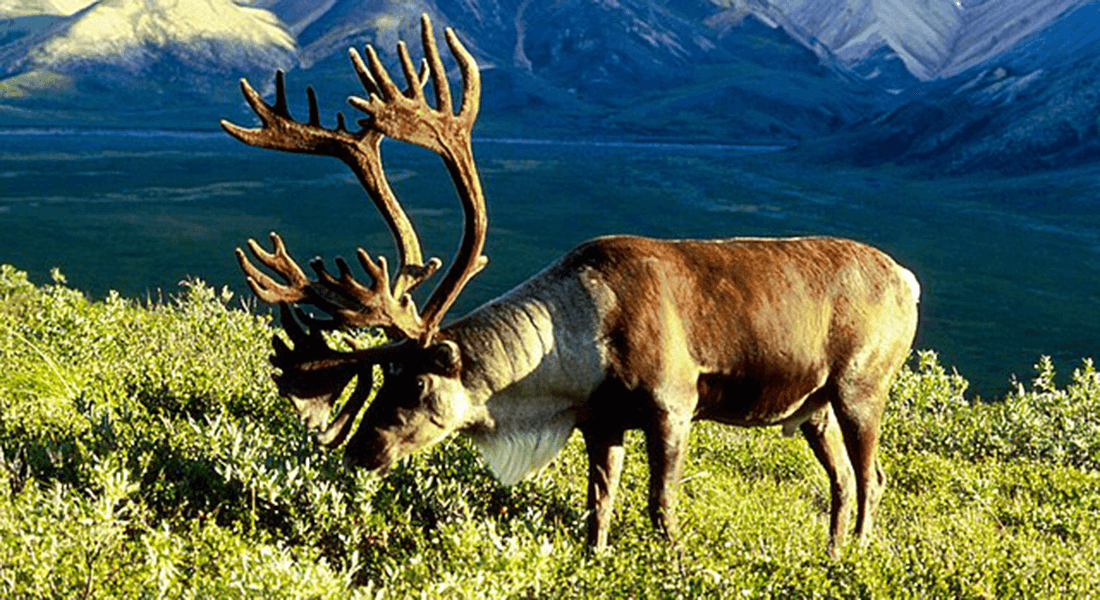
Climate change 2025.08.14 Arctic Reindeer Face Drastic Decline By the year 2100, reindeer populations in parts of the Arctic could decline by up to 80 percent. This is the alarming conclusion of a new international study led by researchers from the University of Copenhagen and the…
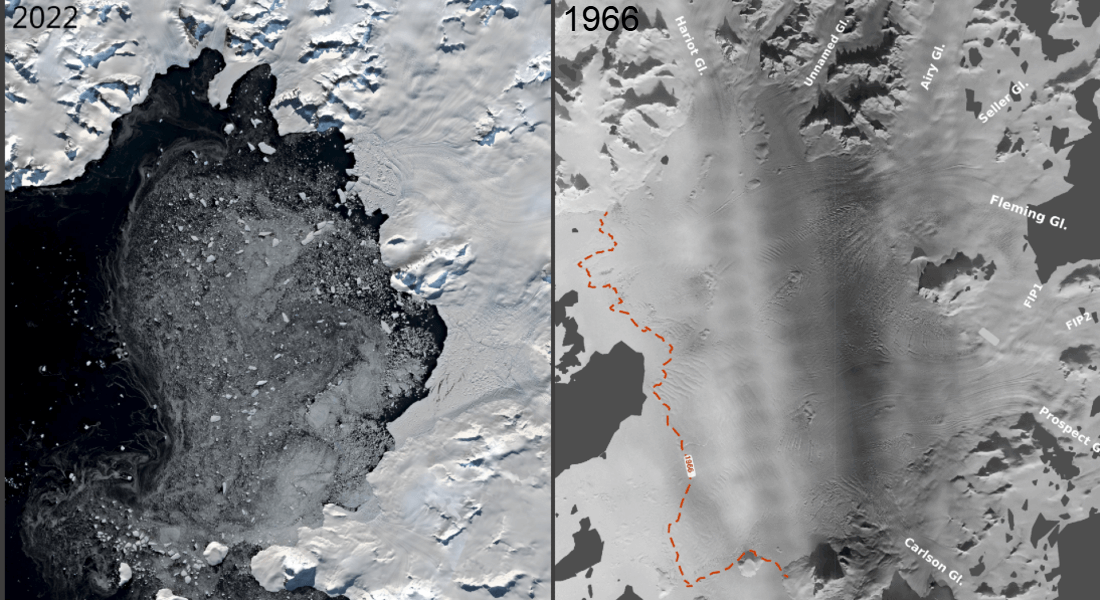
Sea Levels 2025.07.03 Old aerial photos give scientists a new tool to predict sea level rise Researchers from the University of Copenhagen have gained unique insight into the mechanisms behind the collapse of Antarctic ice shelves, which are crucial for sea level rise in the Northern Hemisphere. The discovery o…
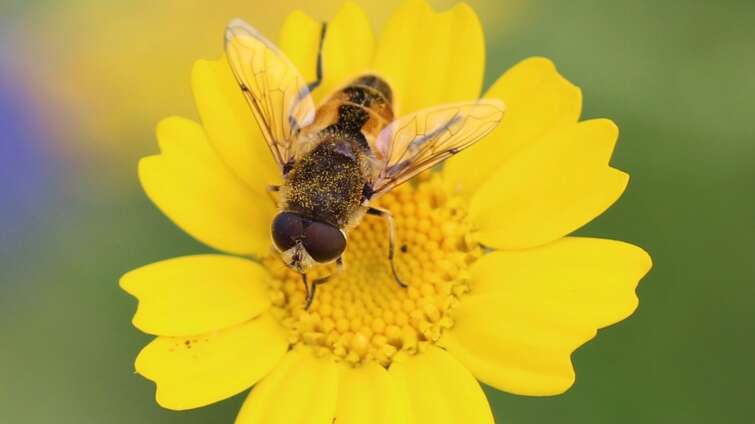
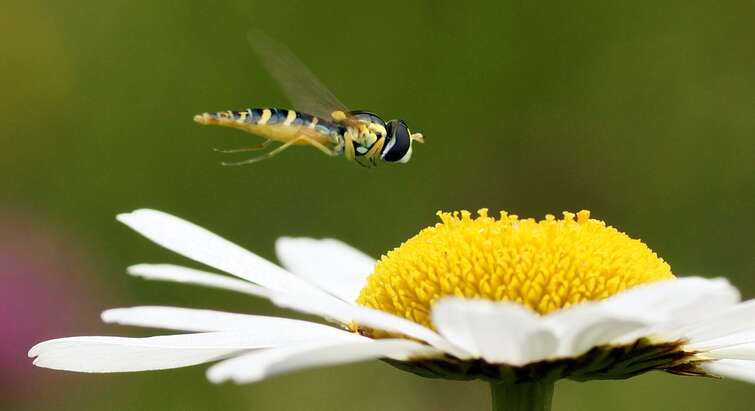
insects 2025.06.27 Here are the flowers that both bees and humans like best Botanists from the University of Copenhagen and the UK set out to find the best flower combinations for bees and hoverflies. The results make it easier for garden owners and municipalities, among others, to plant the…
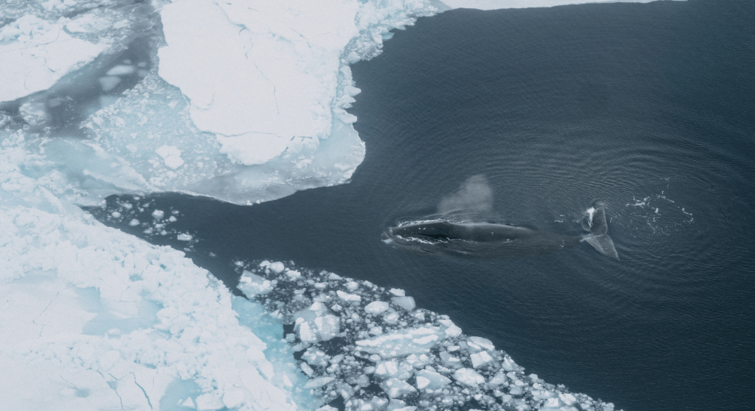
CLIMATE 2025.06.04 Climate crisis pressures the ‘Arctic giant’: Habitats risk disappearing completely Climate change poses a serious threat to the habitats of the bowhead whale, which may shrink by up to 75 percent by the end of the century.
agriculture 2025.05.22 Ox-eye daisy, bellis and yarrow: Flower strips with at least two sown species provide 70 percent more natural enemies of pests Planting flower strips in a field with at least two species can increase the number of natural enemies of pests by 70 percent. The more flower species, the better the effect, according to a new meta-analysis from the…
biotech 2025.05.19 Scientific breakthrough: We can now halve the price of costly cancer drug The demand for the widely used cancer drug Taxol is increasing, but it’s difficult and expensive to produce because it hasn’t been possible to do it biosynthetically. Until now, that is. Researchers from the University…
Evolution 2025.03.27 Major bird study could help us fight the next pandemic New study uncovers the intricate factors that drive the evolution of genomes.
green transition 2025.03.18 Popular cooking cheese made with peas yields same taste and texture A significant amount of the milk used in a popular cooking cheese can be substituted with plants, all while maintaining its taste and texture. Researchers from the University of Copenhagen have demonstrated this by…
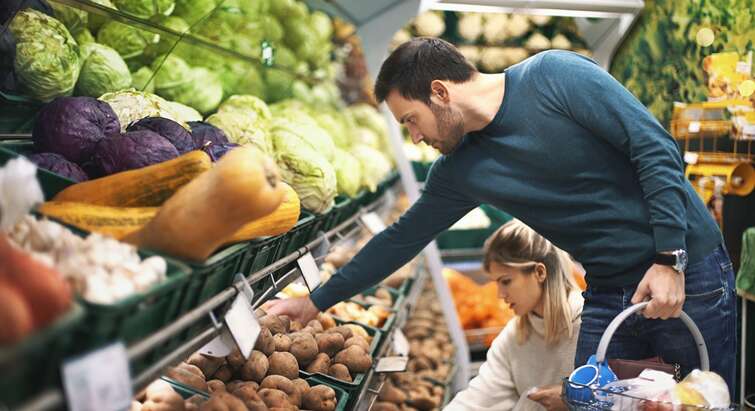
FOOD 2025.02.27 VAT adjustments could save 170,000 lives a year in Europe 170,000 deaths a year could be avoided if European countries were to increase value-added tax (VAT) rates on meat and dairy products, while reducing them on fruits and vegetables. Such changes would also reduce Europe’s…